Fentanyl addiction can escalate rapidly due to the drug’s extreme potency and high overdose risk. At Wellness Detox LA, we provide evidence-based medical detox and residential treatment designed to stabilize withdrawal, restore safety, and help clients begin long-term recovery from fentanyl addiction.
Safe medical detox and residential treatment for fentanyl addiction in Los Angeles.
Understanding the Risks of Fentanyl Misuse
Fentanyl is a synthetic opioid up to 50 times stronger than heroin and 100 times stronger than morphine, making it one of the most dangerous and addictive substances in the United States. Because illicit fentanyl is often mixed into cocaine, heroin, counterfeit pills, and party drugs without the user’s knowledge, addiction can develop rapidly, sometimes after just a few uses. Illicit fentanyl is commonly smoked, snorted, injected, or taken as counterfeit pills, further increasing the risk of unintentional overdose due to unpredictable potency.
According to the Centers for Disease Control and Prevention (CDC), over 74,000 overdose deaths in 2022 involved synthetic opioids like fentanyl, making it the leading driver of the overdose crisis in the U.S. Fentanyl’s extreme potency overwhelms the brain’s opioid receptors, leading to intense dependence, severe withdrawal, and a high risk of accidental overdose.
At Wellness Detox LA, we provide medically supervised fentanyl addiction treatment focused on safe withdrawal, stabilization, and long-term recovery support.



Recognizing the physical, behavioral, and psychological warning signs
Fentanyl affects the body and brain quickly, and the warning signs can vary from subtle behavioral changes to severe physical symptoms. Below are the most clinically relevant indicators of fentanyl or synthetic opioid addiction.
If you or a loved one is showing these signs, seeking professional help is critical, fentanyl dependence escalates quickly and carries a high risk of overdose.
The longer it remains untreated, the more severe the consequences become
Fentanyl’s effects set in quickly due to its high potency, and both short-term and long-term use can lead to severe medical complications, including life-threatening overdose.

Understanding what happens during withdrawal
Fentanyl withdrawal is intense because long-term opioid use disrupts the brain’s natural ability to regulate pain, stress, and dopamine. When fentanyl is removed, the body experiences a sudden drop in opioid activity, triggering severe physical discomfort, emotional instability, and powerful cravings. While withdrawal is rarely life-threatening, it can become dangerous without medical supervision due to dehydration, rapid heart rate, and relapse risk.
Because fentanyl is extremely potent and fast-acting, withdrawal can become overwhelming without medical support. Detox provides a safe, structured environment where the body can stabilize while clinical teams manage symptoms, monitor vital signs, and reduce the risk of complications.
Detox helps stabilize heart rate, blood pressure, hydration, and overall physical functioning as the body adjusts to the absence of fentanyl.
When appropriate, medications such as buprenorphine (Suboxone) or methadone can reduce cravings, ease withdrawal symptoms, and support early stabilization.
Round-the-clock supervision is essential to manage symptoms like vomiting, dehydration, agitation, insomnia, and intense cravings.
Once stabilized, clients move into residential treatment, where the focus shifts to therapy, emotional healing, and long-term relapse-prevention.
EXCELLENTTrustindex verifies that the original source of the review is Google. WDLA will forever have my heart. I came to them a very broken individual struggling with addiction and the care they provided was amazing. The Nursing staff is so caring and attentive, David, Lupe, Mel, Natalie, Tabitha, Ethan and I'm sure im forgetting some people. I will be forever indebted to this place they truly care about their clients and go above and beyond. AR, Casey, BJ, Hector, Nicole, Kristy, Lamont, Janet, Travis and the entire team will always have a place in my heart and my recovery story. Thanks for everything ♡Verified by TrustindexTrustindex verified badge is the Universal Symbol of Trust. Only the greatest companies can get the verified badge who has a review score above 4.5, based on customer reviews over the past 12 months. Read more

A coordinated approach to stabilize the body and rebuild the mind
Treating fentanyl addiction requires a structured, two-phase approach: medical detox to stabilize the body, followed by residential treatment to support emotional and behavioral healing. Because fentanyl addiction is closely linked to underlying mental-health conditions, dual diagnosis care is integrated throughout the entire treatment process. At Wellness Detox LA, each level of care works together to create a seamless and effective recovery path, from early withdrawal to long-term relapse prevention.
Treating mental health and fentanyl misuse together for stronger, lasting recovery
Fentanyl addiction is closely tied to underlying mental-health conditions such as anxiety, depression, PTSD, chronic stress, and trauma-related disorders. Many people turn to opioids to numb emotional pain, manage stress, or escape difficult feelings, which creates a rapid cycle of dependence. According to the National Institute on Drug Abuse (NIDA), more than 40% of people with a substance use disorder also have a co-occurring mental-health condition, highlighting the need for integrated care.
At Wellness Detox LA, our dual diagnosis program treats both fentanyl addiction and the mental-health challenges driving it. Clients receive psychiatric evaluation, medication management when appropriate, and evidence-based therapies designed to stabilize mood, improve emotional regulation, and strengthen coping skills. By addressing the root causes behind opioid misuse, we help clients build long-term stability and reduce the risk of relapse.
Fast, confidential insurance verification for fentanyl treatment
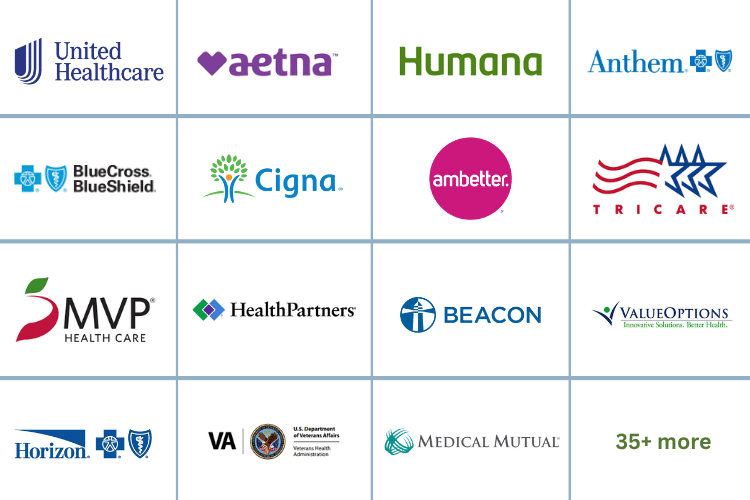
Getting help for fentanyl addiction can feel overwhelming, but understanding your insurance shouldn’t be. Most insurance plans cover fentanyl addiction treatment, including medical detox, residential care, and dual diagnosis services. Our admissions team is available 24/7 to verify your benefits, answer questions, and guide you through the next steps. Call us now at 866-591-0888 to verify your insurance.
A safe path to fentanyl recovery
At Wellness Detox LA, we provide the specialized medical care and emotional support required to treat fentanyl addiction safely and effectively. Because fentanyl is one of the most potent opioids in the world, withdrawal and stabilization must be handled with precision. Our clinical team specializes in fentanyl detox, medication-assisted treatment, residential inpatient care, and dual diagnosis support, ensuring clients receive expert treatment through every phase of recovery.
We combine medical stabilization, craving management, and structured therapeutic programming to address both the physical dependence on fentanyl and the emotional and psychological struggles that often drive opioid misuse. Our Los Angeles facility offers a calm, private environment where clients can detox safely away from triggers and begin rebuilding stability with 24/7 clinical oversight. The residential setting is designed to promote rest, recovery, and focus, helping clients regain clarity while receiving highly personalized care.
We guarantee an integrated approach that creates a seamless path from withdrawal to long-term recovery. You’re not just entering a program, you’re stepping into a supportive, medically informed environment dedicated to your lasting success.
Therapies we offer


Early signs include extreme drowsiness, slowed breathing, pinpoint pupils, constipation, cravings, mood swings, and using fentanyl more often or in higher amounts than intended. Behavioral changes such as isolation, secretive behavior, or sudden financial problems can also indicate developing dependence.
Fentanyl addiction can develop extremely quickly due to the drug’s potency and rapid effect on the brain’s opioid receptors. Some individuals may experience dependence after just a few uses, especially with smoked or snorted fentanyl, which hits the bloodstream immediately.
Fentanyl withdrawal includes early symptoms like anxiety, sweating, and muscle aches, followed by severe symptoms such as vomiting, diarrhea, abdominal pain, chills, insomnia, and intense cravings. Some people experience post-acute withdrawal with mood swings and sleep issues for weeks or months.
While fentanyl withdrawal is usually not life-threatening, it can lead to dehydration, rapid heart rate, extreme agitation, and high relapse risk. Because the body becomes dependent on fentanyl quickly, medical detox is crucial for managing symptoms safely and preventing complications.
Medication-assisted treatment (MAT) may include buprenorphine (Suboxone), methadone, or comfort medications to reduce cravings, stabilize mood, and ease withdrawal symptoms. These medications should only be used under medical supervision as part of a comprehensive detox plan.
Long-term fentanyl use can worsen anxiety, depression, irritability, and emotional numbness. Many people also experience strong mood swings, memory problems, and difficulty managing stress without opioids. Treating both the addiction and the underlying mental-health conditions is essential for long-term recovery.
Fentanyl has an extremely high overdose risk because even a few grains of powder can suppress breathing. Overdoses happen quickly and may require multiple doses of naloxone to reverse. Mixing fentanyl with alcohol, benzodiazepines, or other depressants increases the risk significantly.
Naloxone rapidly blocks opioid receptors, reversing the life-threatening effects of fentanyl. However, because fentanyl is so potent, multiple doses may be needed. Naloxone provides temporary reversal, emergency medical treatment is still required immediately after administration.
The most effective approach combines medical detox, medication-assisted treatment (MAT), residential inpatient, dual diagnosis support, and long-term relapse-prevention planning. Treatment must address both physical dependence and the mental-health factors driving opioid use.
Most insurance plans cover medical detox, residential treatment, MAT, and dual diagnosis services for fentanyl addiction. Wellness Detox LA can verify your benefits quickly and explain exactly what your plan covers before you begin care. Call us at 866-591-0888 for more information.
You should seek help as soon as fentanyl use begins, even if you’re not yet experiencing full addiction symptoms. Fentanyl is so potent and dangerous that it should never be used without a strict medical reason, and even then, only under close medical supervision. If you’re using fentanyl recreationally, using it without a prescription, or taking more than prescribed, it’s critical to get help immediately. Early treatment reduces overdose risk and prevents dependence from developing rapidly. Get started today, call 866-591-0888 to get help.
Compassionate, confidential help starts with a single step
Your information is 100% confidential, and there’s no obligation to commit. If you’d rather speak with someone immediately, call us anytime at 866-591-0888 for immediate assistance.